A frank note for parents:
what WU admission actually costs

Weigh the time and money a failed admission can cost the family.

01

This is not a regular school test

The in-person BBE entrance test at WU Vienna is closer to a sorting hall than to a classroom exam. Picture a convention floor, more than 3000 applicants from across the world, echoing announcements, and about 240 seats on the other side of the door. That is more than twelve candidates for every desk.

The volume of competitors is not the hardest part. The real difficulty sits in the structural rules the university uses to separate the top of the funnel:

  • A hard clock. Your child gets less than a minute per statement to scan a dense English passage or work through a data-sufficiency style problem entirely in their head.
  • Penalty marking. At WU Vienna a wrong answer does not just score zero. The computer subtracts points from what the student got right elsewhere.

If a candidate panics under the clock and starts guessing blindly, a strong paper can collapse in minutes. That is why straight-A students with expensive private tutors still fail here every year: they were never taught how to manage the clock and the penalty system at the same time.

Clock on top of an exam answer sheet
The exam is a stopwatch pretending to be a paper. Speed decides the score.
02

The price of a mistake: minus €60,000 from the family budget

Let us calculate on our fingers what a single failed exam in Vienna actually costs a family. If the applicant misses the Top-240 list, there are two realistic and very expensive backup routes.

Scenario A

Private business school

Enrolling in a private institution in the EU or UK (Frankfurt School and similar) typically means around €20,000 per year in tuition. Across a 3-year Bachelor cycle that is a direct €60,000 cash drain from the parents.

Scenario B

The foundation year trap

A mandatory preparatory year means throwing 1 to 2 extra years of your child's life into limbo. Add European rent, food, pocket money and a delayed career start, and you are looking at another €25,000+ of liquid loss.

Meanwhile, studying at WU Vienna is effectively free aside from token student fees. Getting into the Top-240 is financially close to saving more than €60,000 for the family.

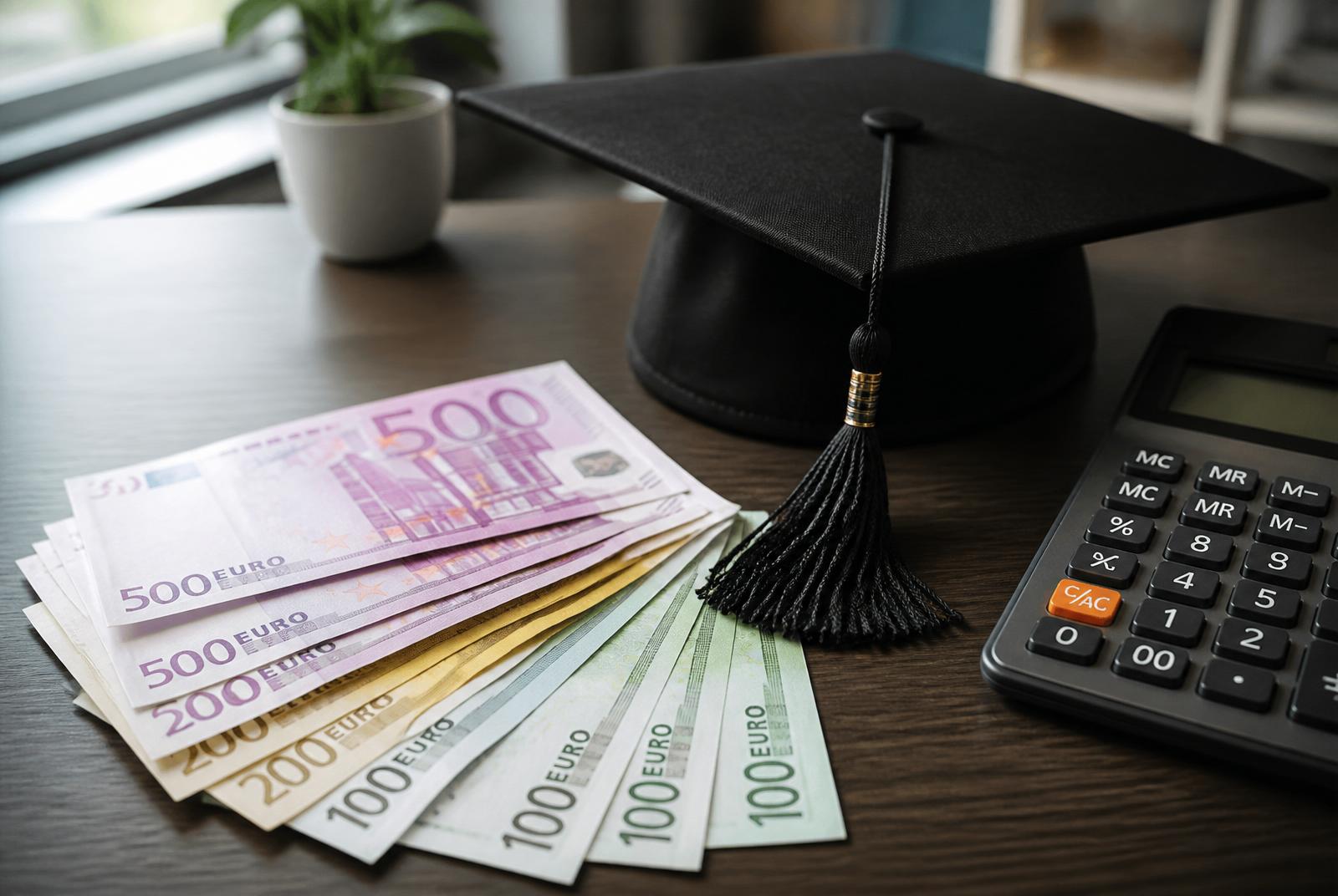
Euro banknotes next to a graduation cap and calculator
Every missed spot at the university costs the family the price of a car.
03

How this prep is built

We do not dump dry economics textbooks on your child. The person who built this platform sat the WU Vienna exam, finished 24th, and felt every penalty mark on their own answer sheet. Out of that came an interactive exam simulator for €411 for the Full BBE Course. Treat it less like a random course fee and more like insurance against burning €60,000+ later.

The simulator trains your child's muscle memory in two tactics that regular tutors do not touch:

The "2–3 answers" discipline

We drill exactly when to lock in an answer and move on, so the clock stops being an enemy and becomes a rhythm.

Containerizing losses

We train the student to leave uncertain fields blank. The WU marking system awards 0 for a blank and does not subtract, so that habit protects a passing score while other applicants lose points guessing out of panic.

The bottom line

You can rely on standard school knowledge and risk burning €60,000+ on private tuition or a lost foundation year, or you can invest €411 in a simulator that teaches your child how to handle the WU Vienna clock and penalty rules and keep a seat on an affordable program.

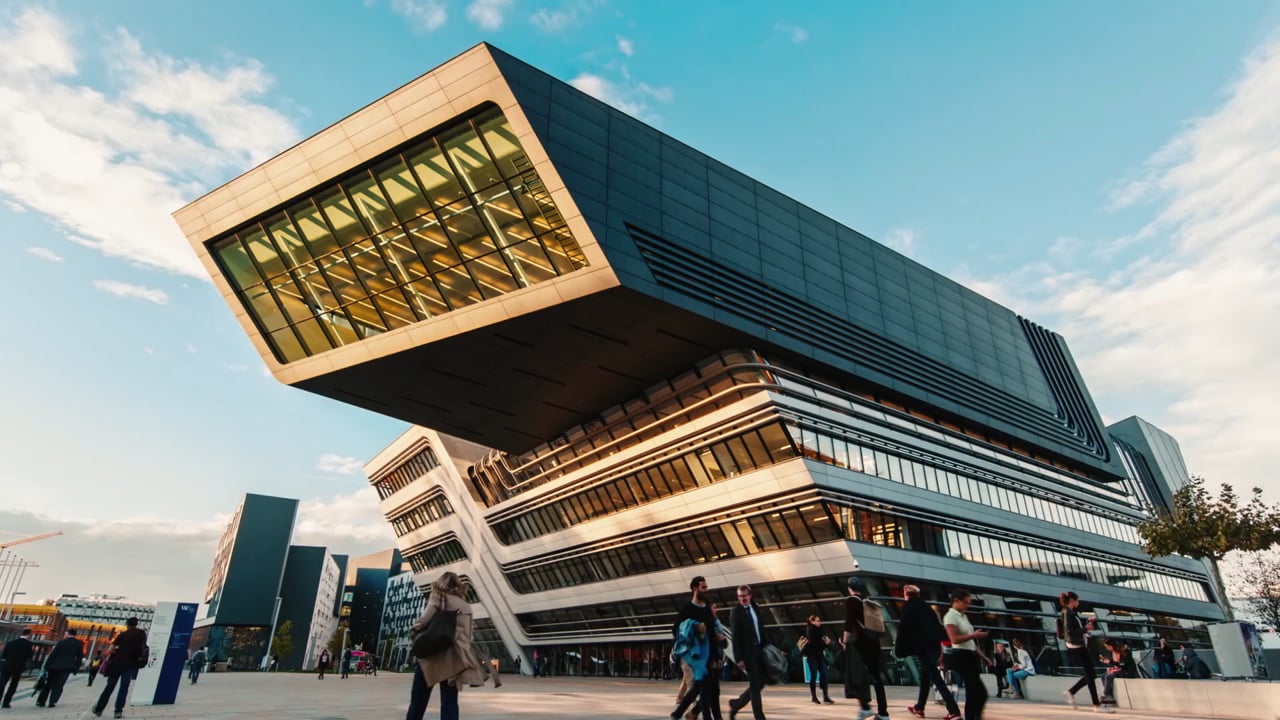
WU Vienna campus
The prize on the other side of the exam: WU Vienna.